
The writ has dropped and David Eby has called a snap election.
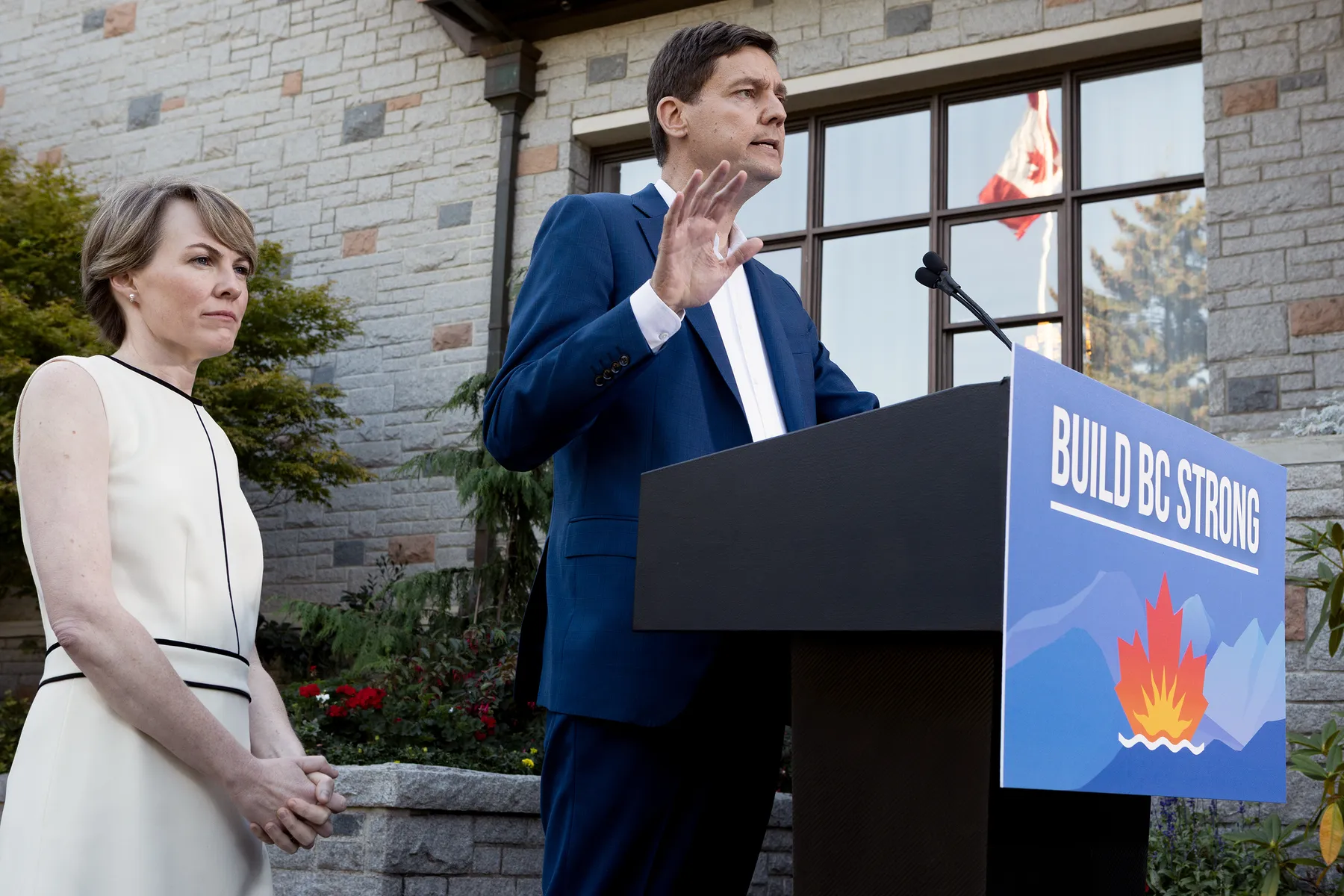
Standing in front of Government House in Victoria today, NDP Leader David Eby announced that right after province-wide municipal elections are held on October 17, British Columbians are headed back to the polls the following week.
Advance voting will be open from Friday, October 16, to Wednesday, October 21. Final Voting Day is Saturday, October 24.
CentreBC, the B.C. Conservative Party, and the B.C. Green Party have all said they oppose an election. Last Thursday, the Union of British Columbia Municipalities passed a resolution calling on Eby to respect distinct periods for local and provincial elections.
Eby's widely anticipated move follows over a year of extended turmoil in the Official Opposition. After coming within 22 votes of forming government two years ago, the B.C. Conservatives are down from 44 to 25 MLAs. Kerry-Lynne Findlay's leadership, which spanned from May to last Friday, was marked by a steady drip of scandals, from offering financial incentives to Conservative MLAs to drop their seat so she could run in a by-election, to allegations that a party official she hired contracted a private investigator to examine members of her own party and a CHEK News journalist.
Findlay's short stint atop the Conservatives saw 13 MLAs leave the party (5 have rejoined since her resignation). Some former Conservative MLAs have joined CentreBC — led by former Conservative Peter Milobar, whom Findlay defeated in the leadership race. Some have joined far-right anti-Indigenous party OneBC, while others have decided to sit as independents.
The election also comes amid a turning point for public post-secondary education. UBC is faring better than most, but the entire university and college system is grappling with the fallout of over-reliance on international student tuition to cover rising operating expenses. According to the Ministry of Post-Secondary Education, 16 of the 25 public post-secondaries incurred at least one annual deficit between fiscal years 2018–19 and 2024–25. UBC Provost Gage Averill told the Board of Governors' Finance Committee this March that the university is projecting a $50 million shortfall for the 2027–28 fiscal year.
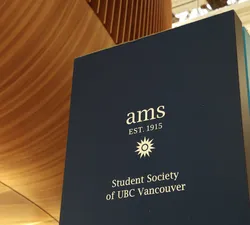
Last November, the province commissioned a review of the post-secondary sector, which was roundly criticized by student groups — including the AMS — for its four-month timeline. Though the review has been completed, the government hasn't released it. Among the things student groups are concerned about is the province's Tuition Limit Policy, which has contained domestic tuition increases to two per cent yearly.
UBC has remained genial and guarded in its public communications on the review — in contrast with how peer institutions like UofT and McGill have responded to changes in provincial policy.
A study by McGill's Media Ecosystem Observatory found public discussion on the last provincial election was rife with misinformation. Official information about polling locations and voter requirements can be found on the Elections BC website.
This is a developing story and will be updated.