The lights go down and darkness invades the castle walls and the audience seats. The public holds their breath as their eyes are guided to the only source of light, a neon sign with the name of the play: Dracula: A Comedy of Terrors. As thunder claps, the second part falls off and maniacal laughter echoes as the audience is plunged into the world of Dracula.
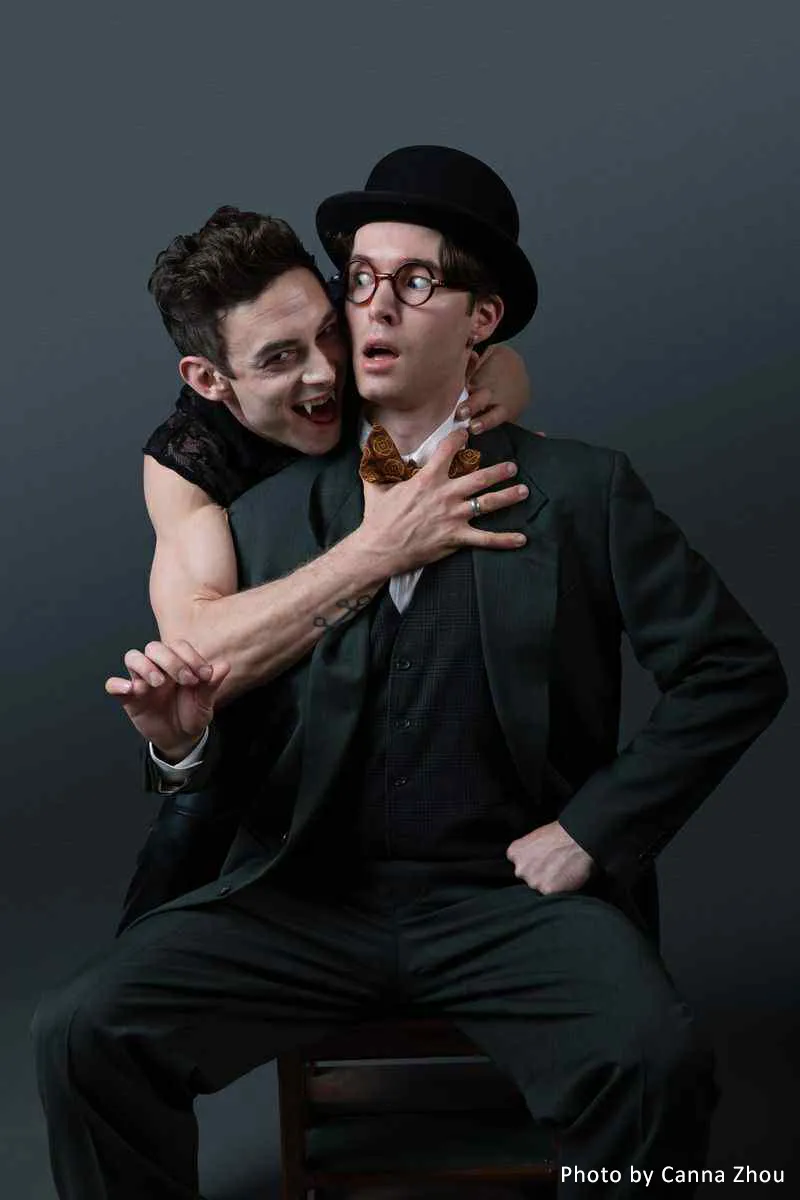
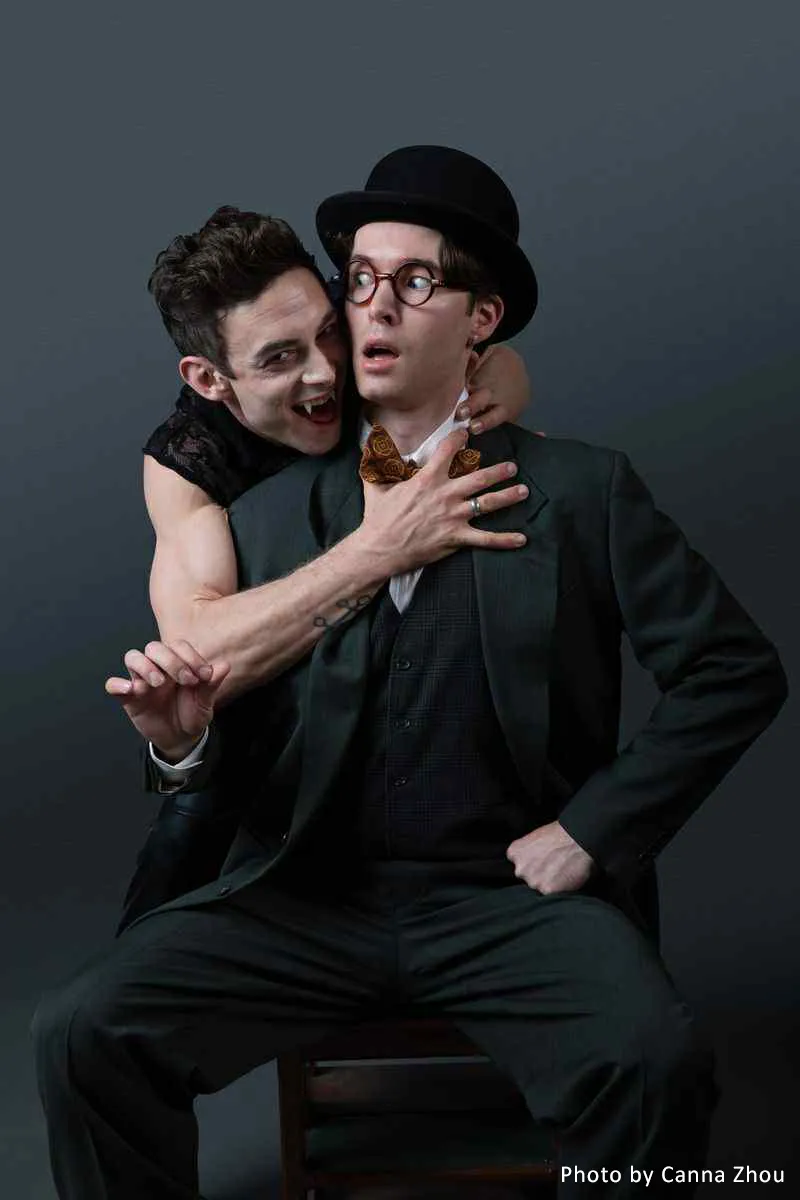
Written by Gordon Greenberg and Steve Rosen, Dracula: A Comedy of Terror made its Canadian première with Down Stage Right Productions’s run at the Jericho Arts Centre this Halloween. Directed by Mark Carter, the comedic adaptation of Bram Stoker’s novel is every bit as hilarious as described by its program. Raunchy, anachronistic and filled with pop culture references, the play manages to immerse its audience in classic gothic horror tropes while actively parodying them.
Rarely a moment went by without an onslaught of modern, genre-aware nods, vampiric puns and just the right amount of fourth wall breaks, which all landed remarkably well. Joshua Berg’s Dracula managed to ooze sensuality despite a fangy Transylvanian accent and easily built chemistry with almost every character, adding an element of smooth choreography to the night-stalker’s movement.
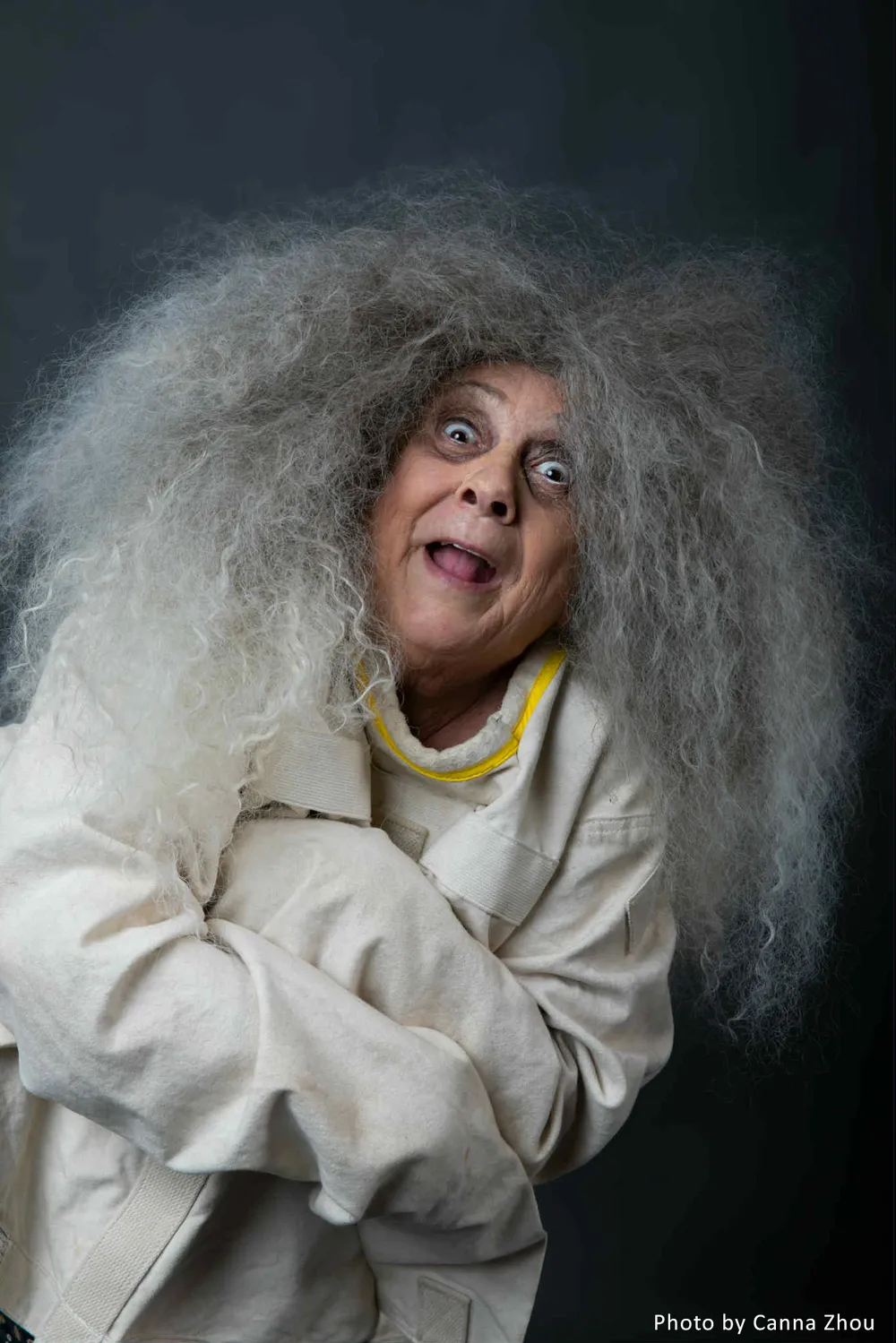
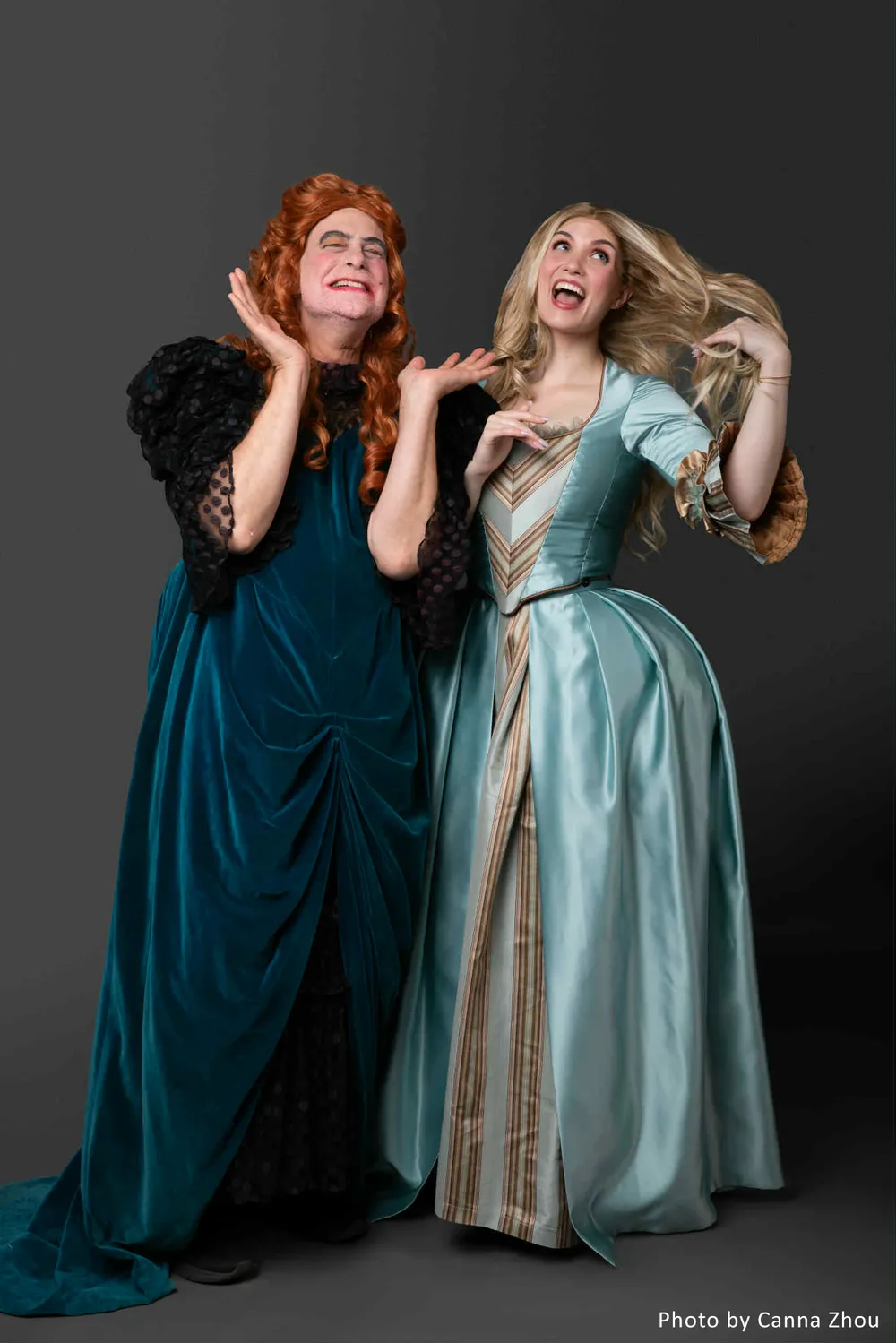
Quinn Churchill and Maia Beresford — both local actors and theatre graduates — played the more straitlaced Jonathan Harker and intrepid Lucy Wesfeldt, exploring the more earnest and tender moments of the show — a refreshing change in the comedy-stuffed production. This tone also contrasted with Michael Charrois and Ellie King, who truly went all out with their physicality in the respective dual roles of Mina/Jean Helsing, and Renfield/Dr. Westfield. Along with Beresford’s Lucy, these characters were key to the play’s exploration of gender through their cross-dressing costume design. Their storylines saw Lucy and Mina navigating the societal constraints placed on women — both married and unmarried — while Dr. Westfield was confronted with his misogyny during his encounter with Dr. Jean Helsing.
The production’s set was relatively simplistic, but well utilized. Structured around the walls of a medieval castle, it created interesting character entrances and exits, and the minimal props were enough to define and establish the changing locations across scenes. The direction also played on this by having characters use ridiculous or anachronistic devices — a plate of cheese puffs, hand-held water spritzers — to get the story across. The second part of the show was particularly successful at revealing the intricacies behind the set design, as more and more pieces were unveiled with the climactic progression of the adventure. This clever design read like a nod to the intricate production of a classic haunted house.
Lighting designer Darren W. Hales’ work expertly established Transylvania, Whitby and transitional locations with distinctive colour palates. Some motifs included flashing white lights for early transitions (at times a bit too aggressive) and classic gothic sound bites such as thunder strikes or Bach’s Toccata and Fugue in D minor (more recognizable to most as da-da-da-DAAH). The latter two lost some of their comedic bite after the first couple uses and were not entirely necessary considering the actors’ excellent line delivery.
UBC alum and former faculty of education advisor Sandy Wohl volunteered for the production as a production assistant. A theatre enthusiast and educator, he was part of the production since casting and probably has the most audience experience one can possibly gain with the production, having seen the show over twelve times. Wohl said the highlight of his experience was participating in the intricacies behind the scenes — such as lighting — and working with a “crew [and] cast [that] work incredibly well together.” The play included “some very demanding roles and pieces,” he said, and, behind the audience’s hilarity, the cast are hard at work.
“The cast are taking on so many different roles, sometimes almost simultaneously. They will transfer from one role to the next several times in the play, and that means changing your voice and your mannerisms … Changing roles at the blink of an eye is probably a challenge for anybody. You have to change your accents, and you have to change your persona.”
Wohl’s comment struck true considering the particular challenge of comedy in theatre. Beyond immersing the audience in the story, the actors in a comedy show must maximize every aspect of their delivery to generate laughter, taking their delivery far beyond the lines. The costumes — designed by Emma Blu Pabuaya — are another example of the duality of the choices throughout the play, taking on both the task of immersing and convincing the audience while being utilized as an avenue for comedy. In particular, King’s quick costume changes were impressive, her transitions going from unnoticed to one of the best scenes of the show, where Renfield’s dramatic fall out of a window and 30-second-long scream were used to change rapidly into Dr. Westfield, a feat which impressed the entire audience.
This points to the show’s ability to be self-aware and break the fourth wall by making the audience aware of its use of the theatre conventions for comedic effect. In reality, even its most outrageous elements and insistence on sex jokes are a nod to the source material’s themes of lust and sexuality in Victorian times. While not initially perceived as particularly highbrow, there is recognizable skill and dedication that goes into creating a show that manages to seemingly effortlessly make its audience laugh out loud.