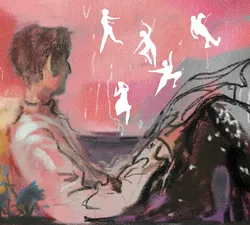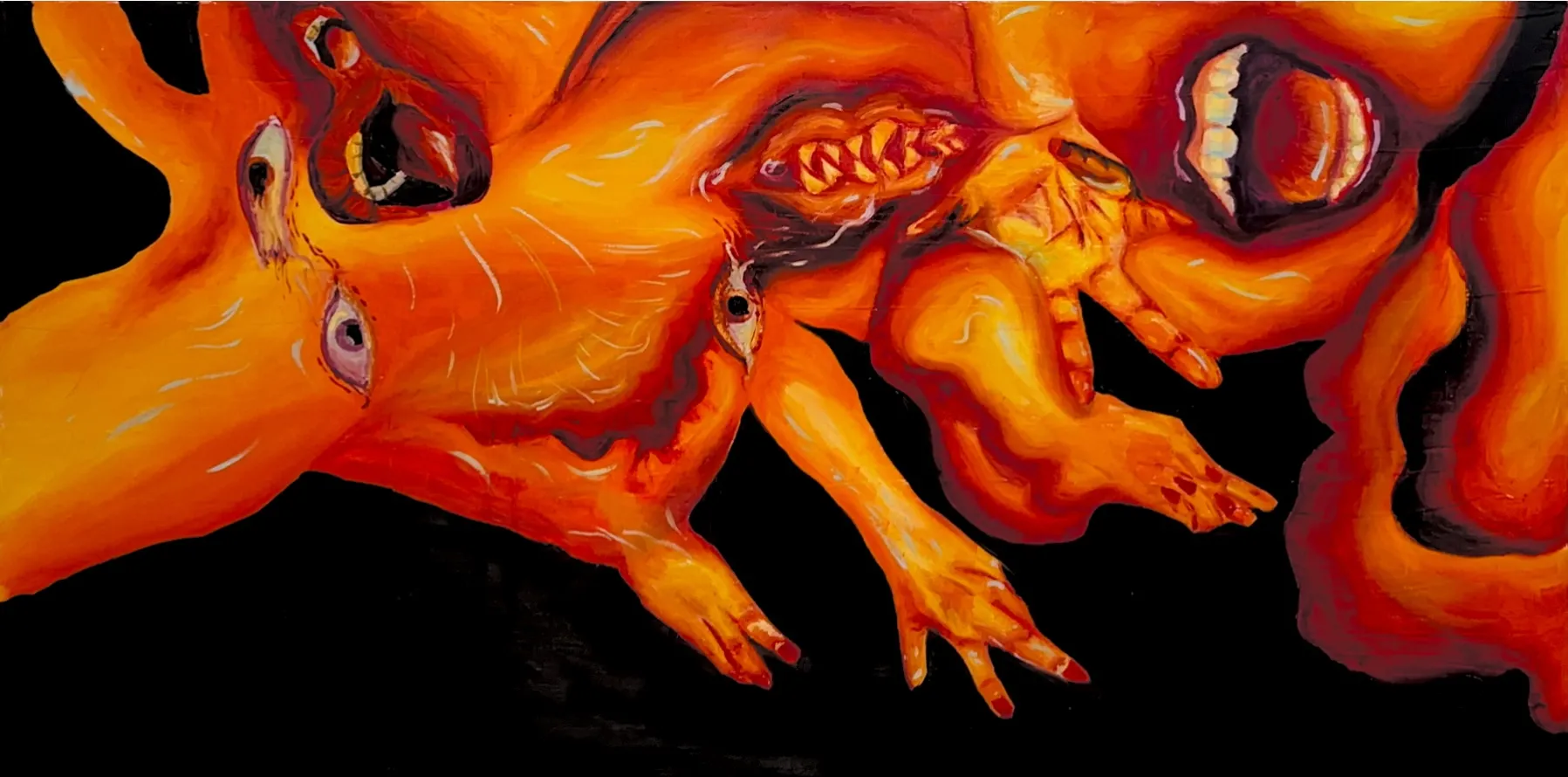

The UBC Arts and Culture District’s annual art festival returns this year with a focus on marginalized bodies and identities made monstrous in the eyes of mainstream culture.
2025’s ARTIVISM: Monsters and other(ed) bodies, curated by creative director and third-year BFA student Carmen Toledo Bores in collaboration with exposure UBC, brings together a compilation of events — some pre-existing, some planned specifically for the festival — that offer complementary angles on the central theme.
“[The idea of monstrosity] started with my own artistic practice …” said Toledo Bores. “I'm a big science-fiction nerd and I'm a big horror fan. I went to that [for a theme], and then it got combined with some cinema studies courses and a lot of reading during my first year. I came to realize that the reason that I'm so interested in monsters is because, in a way, I saw myself in them.”
The monster, they argued, is a political and moralistic figure, bound up in ideas of shame and guilt, norms and religion. As reactionary nationalism sweeps political stages across the globe, Toledo Bores sees similarities between the words of right-wing figures and those of their favourite horror and sci-fi creators.
“A lot of the language and a lot of the images that we see are going back into labelling bodies that are [out] of the norm as monstrous. I’m Mexican, so [part of the inspiration] was also the very pungent language that is being used right now for illegal aliens.”
But monstrosity can also be a source of strength, they said. After all, outcasts finding power in the margins is a popular thematic trope, from Paradise Lost to Frozen. Toledo Bores never felt alienated as a monster — instead the label “was always an empowering thing for me as a person,” they said.
As creative director, Toledo Bores was responsible for shaping the thematic identity of 2025’s ARTIVISM, but they had help with the logistical and outreach aspects of the festival from Arts and Culture District Marketing and Communications Specialist Deb Pickman. Toledo Bores’s creative directorship is an Arts and Culture District Work Learn position under Pickman, which is offered to a new student curator each year.
The position predates the festival — prior to 2018, it operated on a more self-directed basis, with Pickman articulating the district’s goals and the student finding creative ways to meet them through event and initiative planning. In 2018, though, Pickman’s Work Learn student for the year, Angelic Goldsky, voiced interest in arranging an art festival.
“That first year, it was pretty modest,” said Pickman. “We had an open mic, we showed a film and we got some community groups to come out.”
ARTIVISM bloomed outwards from there, even through COVID-19 lockdowns which had the dual effect of forcing the festival online while also encouraging Pickman and 2020 Creative Director Coral Santana to be innovative with their programming.
“Artists really grabbed onto it,” said Pickman of ARTIVISM 2020: SEX and the Unheard. “We had people dancing in parking lots at UBC from Dance Horizons … [Indigenous burlesque group] Virago Nation did a number that was filmed … I realized that COVID really opened ARTIVISM up. It made it seem limitless.”
The events selected and planned for 2025’s ARTIVISM sketch the outlines of the intersection between persecution and power that Toledo Bores pursues in their work. Pre-existing events selected to feature include, among others, Abbas Akhavan’s exhibition, One Hundred Years, currently on display at the Morris and Helen Belkin Art Gallery, and Rebecca Belmore’s VALUE at the Museum of Anthropology. These exhibitions, though dissimilar in content and style, each explore ideas of comfort and hostility from their creators’ unique perspectives.
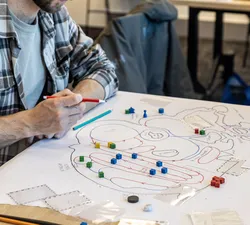
Monsters and other(ed) bodies also offers a host of new events planned specifically for this year’s festival. The first, a set of writing workshops hosted in the Dorothy Somerset Studio by writer and artist Morgana Amaro, has already begun — the first session, “RAGE,” took place on Sept. 12, with follow-up sessions planned for Sept. 26 and Oct. 10 and 24. In these workshops, Amaro leads participants on what the festival program calls “journey[s] of shared self-knowledge” through journaling, collage, poetry and body mapping, an artistic practice of drawing and labelling parts of the body.
On Oct. 15, the Hatch Art Gallery in the Nest will host the festival’s titular exhibition, showcasing work from student artists organized around the theme. On Oct. 25, composers and musicians from the UBC Contemporary Players will offer their own interpretations of the Hatch exhibition’s displays, playing live music responding to certain works in the gallery.
For Pickman, this kind of collaboration between different players in UBC’s arts and culture scene is one of the main rewards of ARTIVISM.
“That’s the other goal of this programming: breaking silos, digging holes wherever you can … I’m looking to create a bento box of things [for different audiences].”
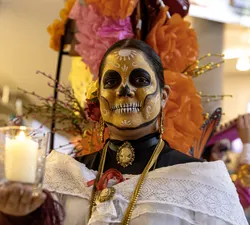
ARTIVISM 2025 closes out with a Koerner’s Pub drag show on Oct. 30 featuring former UBC Drag host Count Cupid, and a Dia de los Muertos dance party at the Hatch on Nov. 7. Following the final event, Toledo Bores plans to continue their work with UBC exposure. The club is in the planning stages of an archival project documenting marginalized artists in the UBC community, expanding on efforts that Toledo Bores brought to the fore throughout the festival.
“[ARTIVISM 2025] was an opportunity to bring communities together and to uplift these voices in special times where these labels [of monstrosity] are being constantly used and abused,” they said.