
Re-enactment is a staple of the documentarian's tool kit. Narrative scenes obscure the line between fiction and reality, allowing filmmakers to explore the nuances of a story that are lost in interviews alone. This technique is perfected in Joella Cabalu's new documentary, First Comes Love: Nakabingwit.
The film made its world premiere at this year’s Vancouver International Film Festival. It tackles the tension of interracial romantic relationships, specifically Filipina women’s relationships with their white male counterparts. Part narrative re-enactment of Cabalu’s life and part explorative documentary, the film explores Cabalu’s life while working through difficult conversations, at last returning to the core message: love comes first.
The concept came to Cabalu after meeting her husband early in her film career. She didn’t have a clear idea for how to explore the tension she felt — the overwhelming pressure on Asian women to form relationships with white men — so she tucked the concept in her back pocket.
She was telling a story to her friend, John Paul Catungal, a UBC professor in the Institute of Gender, Race, Sexuality and Social Justice. He gave her a word that finally captured her experience: nakabingwit. As explained in the documentary, nakabingwit means "to catch something." In the context of relationships within Filipino culture, it can mean someone has gotten “lucky” and has “caught the white person.” It celebrates proximity to whiteness and the associated privileges.
The term has its critics. Many of the racialized people in the film point out that while they may be closer to a white person, the privilege doesn't simply extend. In fact, dating a white person brings a slew of new challenges.
The increased hate crimes against Asian people during the pandemic was the “catalyst for taking this project off the shelf again,” Cabalu said. She felt shaken by the attacks against her community and realized that she and her partner weren't always on the same page about how race influenced their lives. What she gathered from seeing other women discuss interracial relationship dynamics was that many were encountering the same struggles.
But it's not a pandemic documentary. The initial plan was to incorporate that period of time into the film more substantially. At one point, it included a sequence of social media and news coverage demonstrating the pandemic's influence on Asian communities. However, the team at the National Film Board encouraged Cabalu to scrap it.
"All of these issues existed before Covid, and it will exist after Covid," she said.
From the beginning, Cabalu knew the subject matter would potentially put off some viewers. So, throughout production, she asked herself: "How do I make this a rom-com documentary?"
This inspired the mix of reality and fiction within the documentary. Cabalu was inspired by films like Everything Everywhere All at Once. She came into the project wanting to ask couples to unpack a critical point in their relationship, such as a big fight. What if the situation had panned out differently?
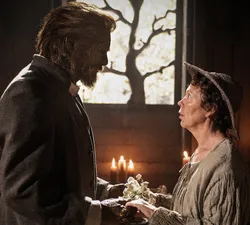
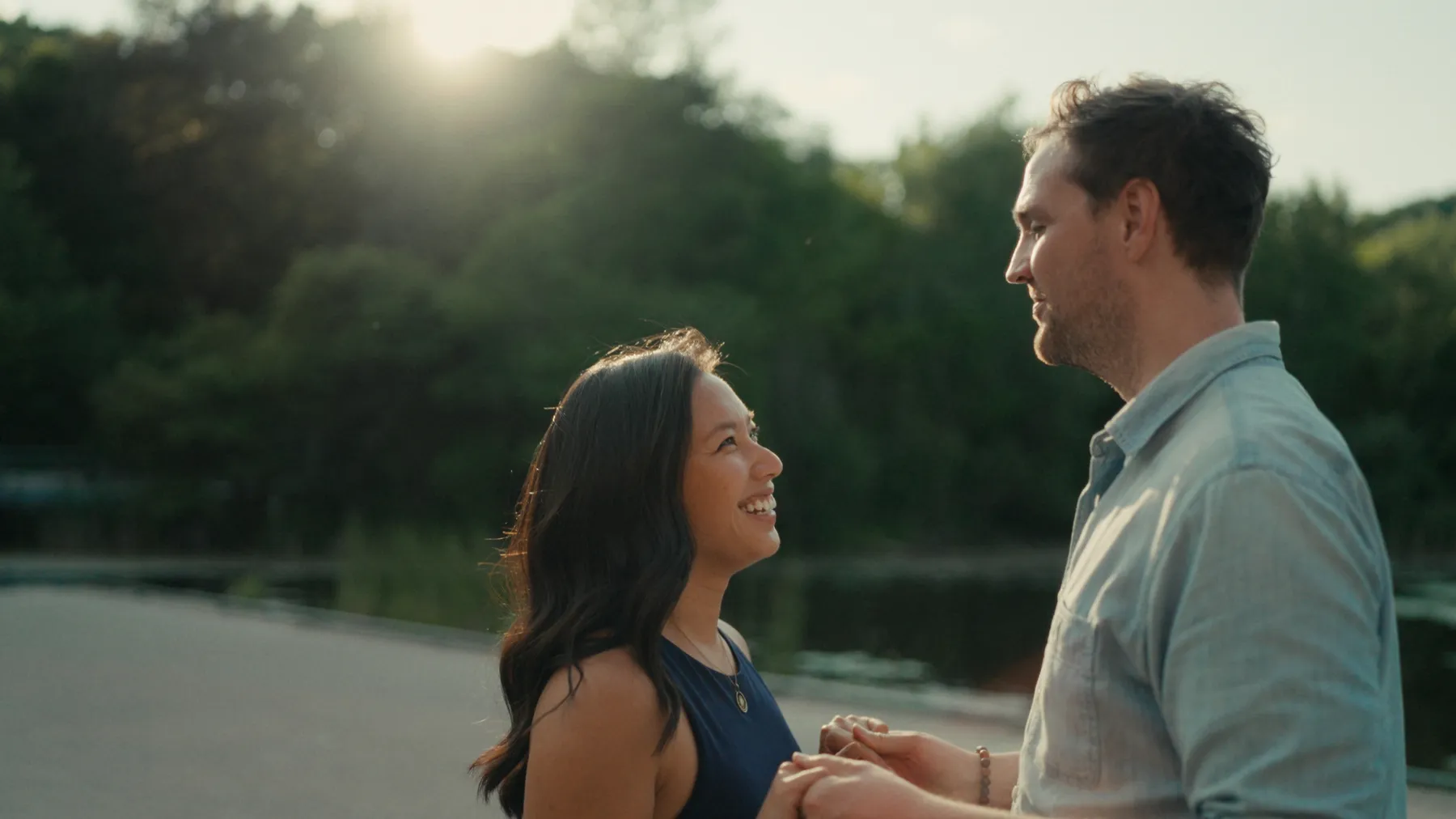
Reality starts to blur when Joella (Gabrielle Jacinto) meets her love interest (David Lennon). Walking through UBC's Alumni Centre, Joella stumbles into her nerdy, yet endearing future husband. The conversation is mundane, but becomes intimate through Joella's nervous inner monologue (and the cheesy cartoon hearts that drench the entire scene).
Alongside scenes from Cabalu's life, the film incorporates footage from interviews with interracial couples. Near the beginning of the film, each couple recounts their own meet-cute moment. There are locked eyes in stuffy bars and bubble bath thirst traps. However, not all of these couples' memories are pleasant.
During the interviews, Cabalu shows each couple a pre-filmed scene. It opens with Joella glued to her phone, scrolling through an endless flow of heartbreaking news, including a story about an elderly Asian person who had been attacked. Her partner hadn't heard about it, completely oblivious to Joella's fear, so she pulls away. The camera focuses on her as he blurs into the background. Joella describes having to put her guard up every time she leaves her house, and how her partner attempts to comfort her with promises of protection. These only contribute to the growing gap between the couple.
The interviewed couples reacted in various ways to the scene. Some cried, some responded immediately, and some sat in silence. Some couples misunderstood each other in ways that were hard to watch.
Cabalu offered guiding topics for the couples being interviewed. They included having interracial children, dealing with stereotypes, and recounting their love story. This prompted questions the couples had never thought to breach with each other before.
For example, Justine recounted her experience with anti-Asian hate to her partner Dom, articulating her fear and subsequent anger. In another, Eric admits that he finds it difficult to support his wife, Ria, because he struggles to pinpoint moments of harm that she can identify instantly.
These conversations played out with an awkwardness that the film did not attempt to shy away from. Instead, it delved into the cheesy, messy, earnest moments — producing a film that began to resemble a charming hybrid between documentary and rom-com.