Science • November 6, 2018
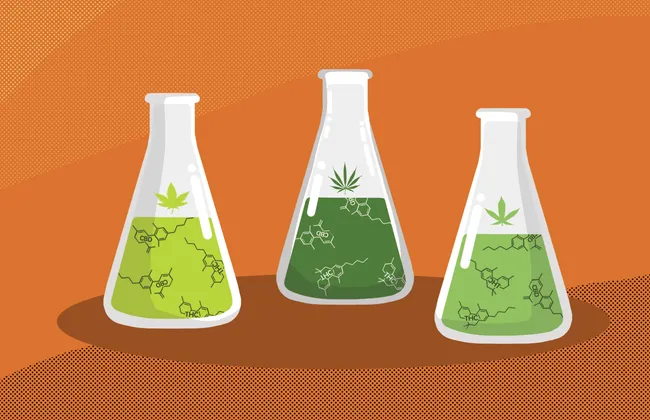
Study: THC and CBD are less important influences on effects of cannabis than previously thought
“Just knowing THC and CBD is not enough, we need to know more about the other molecules that are there,” said Murch.
Search the Archive
Science • November 6, 2018
“Just knowing THC and CBD is not enough, we need to know more about the other molecules that are there,” said Murch.

Science • December 5, 2018
“Knowing how our human ancestors interacted with plants over thousands of years, maintaining forest diversity without destroying the forests is something we want to learn about.”
Science • January 11, 2019
"I am interested in understanding these common and successful birds because perhaps they are the ones that can offer us robust ways to improve aircraft maneuverability.”
Science • February 7, 2019
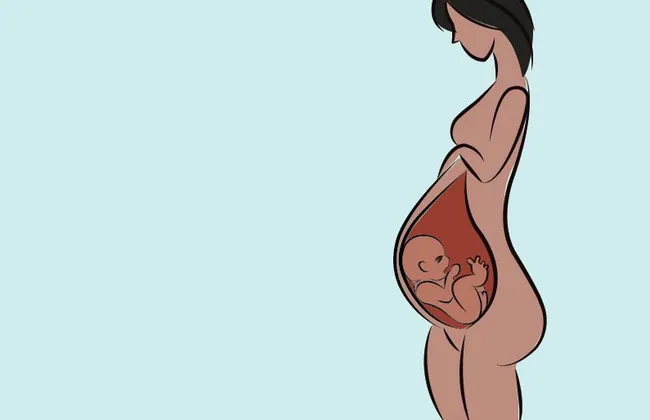
“Sometimes healthcare providers don’t communicate [the risks of prenatal cannabis exposure], just because of the uncertainty.”
Science • March 9, 2019
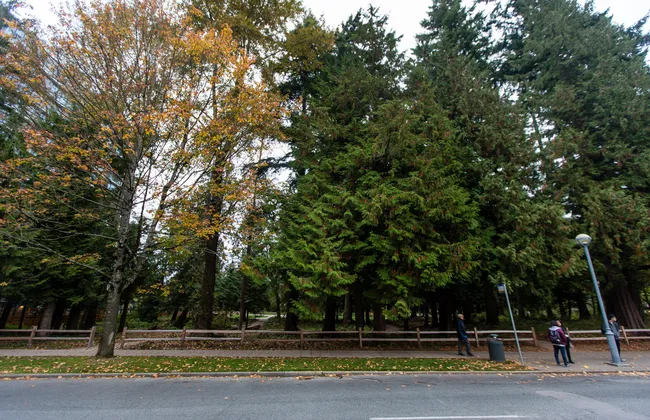
Nesbitt added that “it’s important for cities to understand the dynamics of that so that they can prioritize it in how they manage and grow their green spaces.”

Science • August 27, 2019
After compiling the data, Wynes and Nicholas found that Saskatchewan and Ontario were the most comprehensive in their coverage while Nova Scotia and New Brunswick were the least.
Science • February 13, 2020
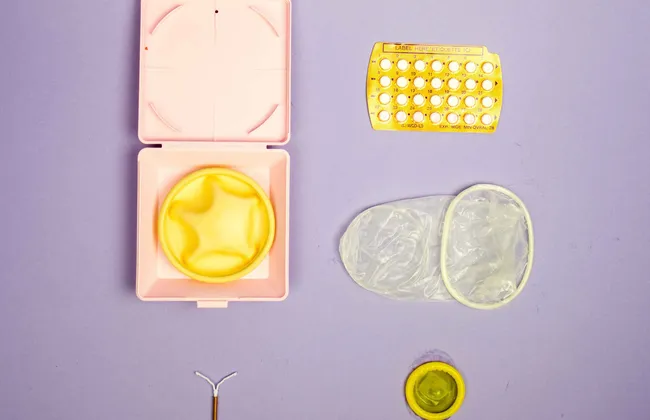
This study was based on existing data from the 2009/10 and 2013/14 Canadian Community Health Survey.
Science • March 12, 2020
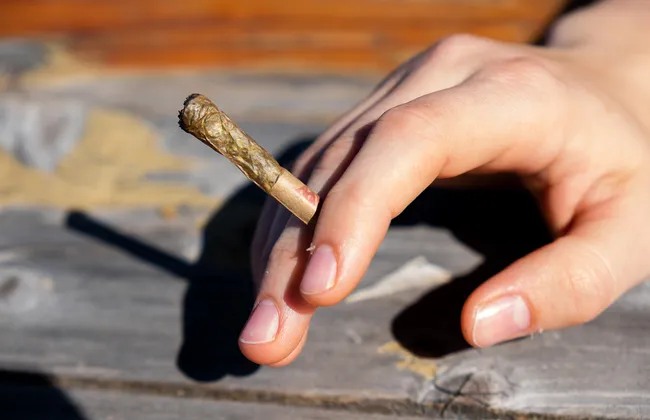
Results from the model showed that people who used cannabis daily had nearly 50 per cent lower odds of using illicit opioids than non-cannabis users.
Science • May 27, 2020
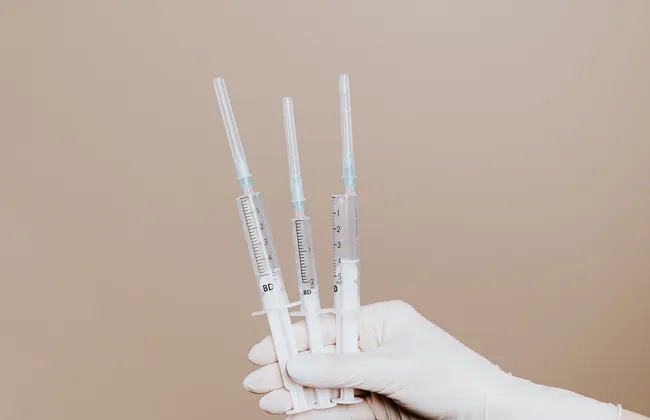
64 per cent of study participants who tested positive for fentanyl reported knowingly using the substance. This number is up from 2015 where a previous study found that the majority of people (73 per cent) who tested positive …
Science • August 18, 2020
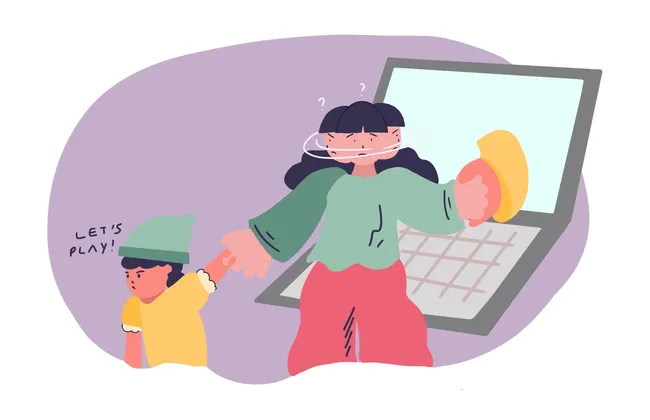
By May, the unemployment gap was up to seven per cent between elementary school aged parents, up from one per cent in February.

Science • March 20, 2021
According to the authors, misplaced conservation can “alienate partners and disrupt partnerships, waste resources, misinform the public, and (or) delegitimize evidence.”